2 hats
10% off
3 hats
15% off
4+ hats
20% off

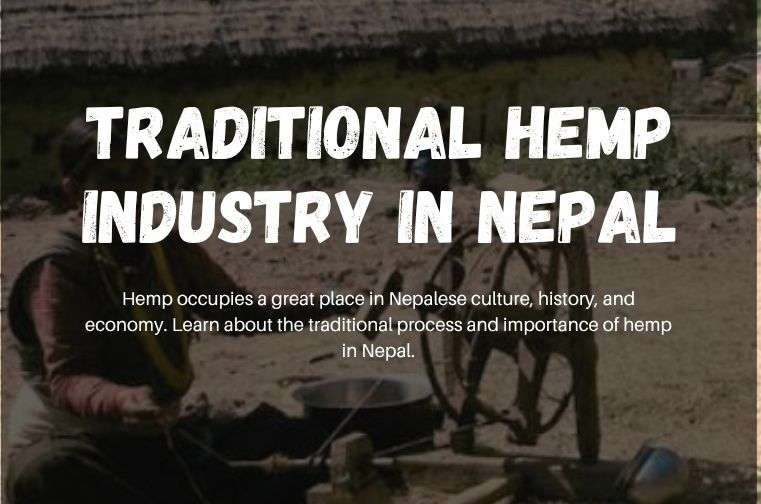
Hemp occupies a great place in Nepalese culture, history, and economy. Its value is immense, dating back to ancient traditions and extending to modern uses. And, its increasing popularity in contemporary production shows its potential as a sustainable resource for the agricultural and handicraft industry. Accordingly, traditional hemp production in Nepal has been intertwined with the cultural heritage of Nepal for centuries, through its spiritual significance as well as a major part of daily living.
Hemp is now a heritage and sustainable product at the same time. The world is going for eco-friendly materials and ethical production, and the pest-free, naturally grown hemp in Nepal has a lot of potential for sustainability. The local community, craftsmanship, and environmental respect connected with traditional processing methods are becoming more and more relevant in the modern markets that are looking for authenticity and green innovation.
The article discusses the story of hemp in Nepal, discussing the natural cultivation, traditional processing methods, and its socio-economic value with the profitable future opportunities.
Hemp (Allo) has a prominent historical connection with the mid-hill and Himalayan areas of Nepal, where it has been grown and utilized for thousands of years. Hemp is cultivated in Nepal’s different natural environment that has an altitude of 1,500 to 3,000 meters under ideal conditions. The pure air, mineral-rich soil, and natural rainfall patterns enable hemp or wild hemp to be grown organically without the application of toxic fertilizers or pesticides.
The primary production areas for hemp in Nepal are Bajhang, Bajura, Rolpa, Sankhuwasabha, and Dolakha. In these regions of Nepal, both kinds of hemp can be found together, wild hemp and cultivated hemp.
Wild hemp is naturally grown in the mid-hill and Himalayan regions, often grown along the edges of forests, riverbanks, and terraces, without human intervention. It nourishes itself from the minerals in the mountain soil and the pure water from the mountains. The wild hemp has long and strong fibers and is in high demand for the production of ropes, bags, and coarse fabrics.
On the other hand, cultivated hemp is grown in controlled environments on small plots by farmers with modern techniques. In this process, the plants are grown with the organic process where cultivators carefully manage the crop to achieve the quality of the hemp fiber with no use of pesticides and chemical substances.
The process of hemp fabric production varies according to countries. But in Nepal, they follow a traditional and cultural production process from harvesting to complete fabric. Let’s learn how Hemp fibers are made in Nepal:
Hemp (Cannabis Sativa) is one of the most self-propagating and sustainable crops due to its natural resistance. The plant is able to live and thrive in a lot of places, like roadsides or hillsides. It often grows wild and needs minimal human intervention. The hemp plant naturally grows strong where the weather and the height above sea level are right.
Further, for industrial cultivation, hemp is normally produced in controlled farming environments to get maximum fiber, seed, or oil. The plant is grown in altitudes between 1,500m and 3,000m above sea level, where the temperature is favorable and the weather is clean, perfect for growing hemp in a strong and healthy environment.
The hemp stalks are typically harvested after three to four months of sowing, when the plants have already reached their maximum height and are at their largest size, but prior to the formation of seeds. The timing of the cut is crucial for the extraction of soft and high-quality fibers, as delaying the harvest would lead to the production of coarser and less flexible material.
To harvest the stalk, manual harvesting methods are used. The farmers cut down the stalks with sickles or sharp blades when the plants are still moist and hence, easier to handle. This harvesting system allows them to select and cut the plants carefully, which helps in the preservation of the fiber’s quality.
In Nepal, the water retting method is the most common way by which farmers soak the hemp stalks in rivers, ponds, or streams. The hemp stalks are submerged and soaked in the running water, like streams or rivers, for 7 to 15 days. By this, the natural bacteria and microorganisms decompose the pectins, helping to soften and separate the fiber from the woody core.
The whole traditional process of retting in rural areas of Nepal is run by women. They carefully handle the soaking duration, test the stalks’ texture regularly, and when the retting is finished, they remove the fibers. By this method, hemp fibers’ natural qualities are preserved, reflecting the cultural knowledge and sustainable practices. Ultimately, no chemicals or synthetic materials are used, as the stalks become very easy to peel.
After the retting process, the hemp stalks soften and are now ready to be beaten and stripped. This labor-intensive process makes the raw material usable in the form of fiber. Beating and stripping are done manually and traditionally, with local tools like wooden mallets, smooth stones, or flat wooden boards. Next, the retted stalks are dried lying on a flat surface, and farmers beat the stalks repeatedly to loosen the outer bark and to separate the long, silky fibers from the woody core.
The process requires a strong physical power and at the same time a very expert touch, crushing the woody parts while maintaining the fiber properties. Then, the fibers are loosened and stripped by hand, carefully removing any tiny pieces of the woody core. Therefore, the whole process showcases the skillful craftsmanship and the traditional hemp processing practices.
The spinning process is done in a traditional way and uses basic techniques and tools, among them, a hand spindle (phangro) and the chakra, a small form of spinning wheel, are used. These tools twist the long hemp fibers into very strong and even threads suitable for making ropes or clothes.
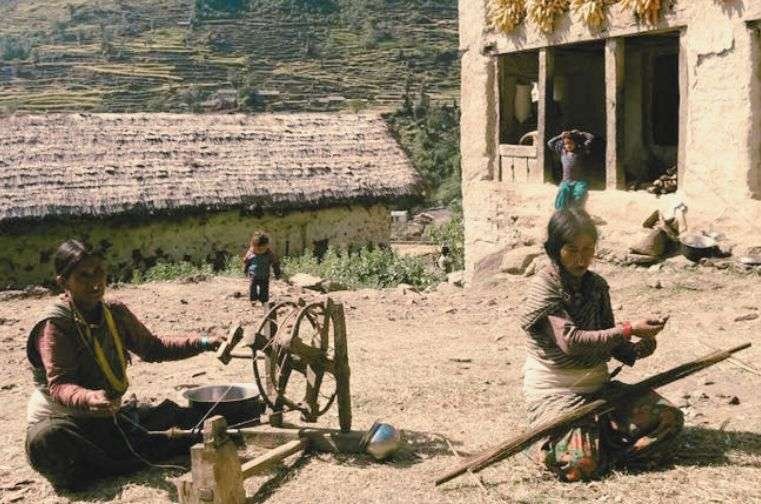
The traditional hemp production in Nepal is handled by a group of women. They skillfully draw out the fibers, twist them, and spin them into fine yarn. This is a constant part of daily village life, creating an important source of income. Women sell spun yarn to local industries and support their households, education, food, and other basic needs.
Now, in this step, the hemp yarn or fiber is put through a washing and softening process to enhance the texture and function. The fibers are usually boiled in water with natural agents such as wood ash, lime, or reetha (soapnuts). These natural substances act as mild cleansers and softeners, wiping out the impurities, oils, and plant matter that remained during the retting and spinning process.
These agents erode the rough outer layer of the hemp, thereby making it smooth, flexible, and pleasant to the touch. The entire process involves the use of organic resources and dis evoid synthetic chemicals, maintaining the fiber’s purity and eco-friendliness properties. Hemp fiber still has its toughness and natural elasticity while retaining its organic characteristics and earthy smell.
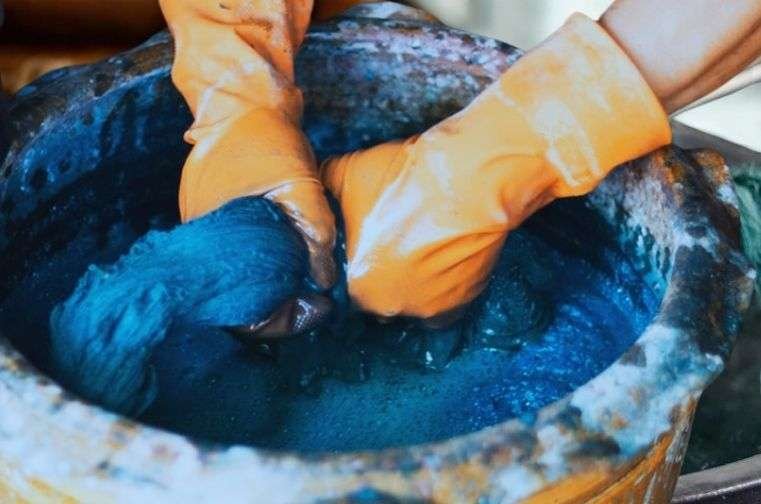
The process of dyeing with natural colors brings along the beauty of cultures, the vibrancy of life, and the magical transformation of lifeless and dull hemp fibers into threads of vibrancy. In rural areas of Nepal, the artisans produce dyes from plant materials, which they gather from nature. They use turmeric for the very bright yellows, walnut husks for the very warm browns, indigo for the deep blues, and tree bark or leaves for the very soft, earthy tones.
The dye is prepared by boiling the natural ingredients in clay or metal pots, and as it extracts the pigments, it is mixed with a water dye bath. Next, the dyeing process is done manually by dipping, soaking, and keeping the dye for about a day to ensure perfect color. The whole process is performed by women’s communities enjoying following the tradition that has been passed down through generations. The final fibers not only carry the colors but also the heritage, cultural value, sustainability, and the living tradition.
The weaving is done by experienced and skilled weavers, transforming the yarn into fabric by using the traditional wooden handlooms. This tool is crafted by the ancients to make the threads into a beautiful and durable fabric. Then the hemp thread is sometimes mixed with cotton or wool to give the final fabric softness, warmth, and a comfortable texture.
Likewise, hand weaving is the only method employed, highlighting the expertise, heritage, and artistry of the rural community that passed down through families. Therefore, hemp fabric is then used in making bags, ropes, mats, shawls, and clothing, often in earthy colors and with rustic charm.
The traditional hemp production process in Nepal is finished with cutting, stitching, and assembling the woven fabric into a variety of products. After, the fabric is skillfully used to create bags, hats, belts, and clothes, and home decor items like cushion covers, table mats, and wall hangings. The product-making process is usually supported by local cooperatives and small-scale industries, especially in areas like Kathmandu Valley, Sindhupalchowk, and Bajura district.
Moreover, the cooperatives provide necessary training and tools in a shared workspace to guarantee that the traditional craftsmanship thrives in the modern markets. These items are not only limited to local markets, but also become the favorites in the international markets. Those women’s groups and cooperatives have a huge role in packaging, labeling, and transporting the products to the local market, souvenir shops, and export centres.
To sum up, the hemp production process, from cultivation in the high altitudes to manufacturing handcrafted products, every stage contributes to the cycle of sustainable income. The entire process is promoting rural empowerment, especially among marginalized groups. Hence, this ancient practice has been supporting sustainability while carrying the continuance of the culture.
The growing and processing of hemp in Nepal has turned out to be a great source of support for women. In rural areas, women-led cooperatives have control over each aspect of the production process from retting, spinning, weaving, dyeing, and finally finishing products.
Apart from giving women a steady income source, these cooperatives also empower women to be the decision-makers within their families and communities. These not only empower women but also reflect gender equality while safeguarding the local cultural heritages.
Hemp has become an essential element of survival in the hill and mountain regions of Nepal, providing rural employment as well. The plant is able to thrive in the high-altitude areas where it is mostly developed, and thus, the farmers are able to get the benefit of the plant with very little effort.
The whole community gets to share the benefits that come from the hemp value chain. The raw stalks are sold by the farmers, the artists and weavers get their income from crafting and weaving, and the sellers increase their earnings through the sale of the finished goods.
The Hemp Association of Nepal, along with various NGOs and partners, is an important factor in the training of local artisans. They offer training in the areas of modern design techniques, export-oriented packaging, quality control, and eco-certification standards that are necessary in the global market for signifying traditional hemp products.
This cooperative training helps the artisans to display their heritage skills with modern design, thus making their products find the market easily. It also contributed to the adoption of more environmentally friendly production methods. Therefore, helping the hemp industry in Nepal with global trends such as ethical fashion and sustainable materials.
The hemp industry in Nepal faces a major challenge due to the legal uncertainty surrounding the distinction between industrial hemp and marijuana. The farmers hesitate to cultivate hemp due to the confusion of the law since industrial hemp has nil psychoactive properties and its low THC content. Therefore, this misinformation leads to less cultivation and development of profitable rural ventures.
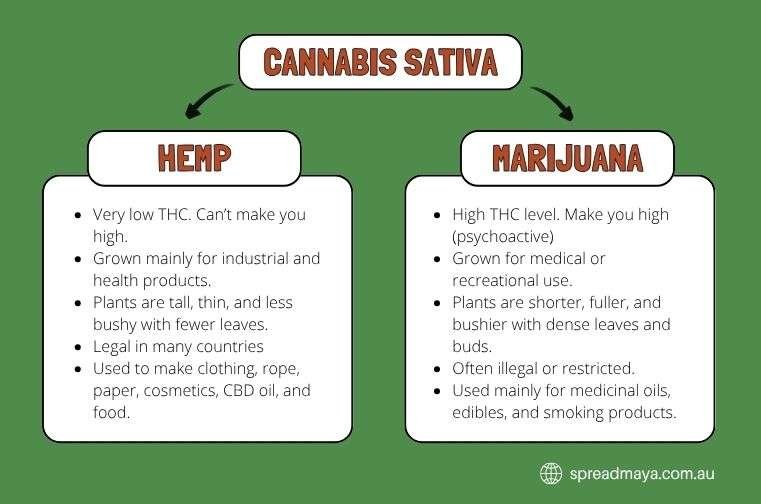
Further, to make the profitable use of hemp farming in Nepal, a clear policy is a necessity. The government can make regulations clearly stating the differences between industrial hemp and drug cannabis to encourage farming without fear of getting into trouble. A clear policy framework would lure in investors and provide sustainable economic opportunities for rural areas of Nepal.
The hemp industry in Nepal still uses traditional methods and manual tools. This obviously maintains the craftsmanship and culture, but at the same time, these are not able to produce a large quantity of materials, sustain quality, and effectiveness. The processes of manual retting, beating, spinning, and weaving take too long, thus making it hard to supply the increasing demand.
Access to modern machines like decorticators (for separating fibers), spinning machines and standardization tools is one of the main obstacles in Nepal. Industries find it difficult to produce the same quality and quantities as their competitors. So, utilizing the modern mechanization alongside traditional techniques would not only double the output but also enhance the quality of hemp fiber.
Small-scale producers typically encounter major obstacles when trying to access the export markets. A lot of them do not possess the basic knowledge or the resources required to go through the intricate processes of export documentation, product certification, and maintaining international quality standards. Not having certifications like organic or fair-trade labels made it hard to get trust from overseas exporters.
Moreover, the majority of rural producers rely on intermediaries who take responsibility for the selling and exporting logistics. These middlemen give access to the market, but at the same time, they take a huge part of the profit, thus the artisans and farmers end up getting very small amounts of money.
Nepal’s difficult topography presents major problems for the infrastructure and transport sectors. Hemp is mainly grown in inaccessible hill and mountain regions where the poor road network and lack of transport facilities raise the cost of shipping to the main cities such as Kathmandu and Pokhara.
Also, the lack of processing plants, storage units, and cold storage systems for raw hemp fibers prevents scaling up operations. Inadequate infrastructure not only impairs the quality but also reduces the quantity of the product since different grades of hemp undergo degradation before getting into the hands of the processors.
These challenges, legal uncertainty, outdated tools, limited export access, and poor infrastructure have a very negative effect on the hemp industry in Nepal. Though with its high-altitude hemp quality, organic cultivation methods, and cultural craftsmanship, it still finds itself behind those countries with advanced processing technologies and clear legal frameworks.
Additionally, Nepal would be able to take advantage of its hemp industry if the governments, with the help of the international community and policy reformation, could completely sort out these barriers.
The eco-friendly lifestyle and ethical fashion movement have made hemp one of the largest green fibers in the world’s textile markets. Its naturally strong, breathable, and biodegradable qualities make it a king of synthetic crop.
The continuous growth of the global green textile industry gives Nepal the chance to present its timeless hemp craftsmanship at the foreign sustainable fashion market, like Australia. As the consumer base that is conscious about ethics grows, the hemp from Nepal that is famous for its natural purity and artisanal authenticity can easily adapt to the luxury markets globally.
Nepal is the only country that can produce hemp because of its natural advantages. One of the main advantages is the altitude of the country where the hemp is grown (mountainous region, 1,500–3,000m). They produce high-quality hemp that is free of pesticides and contains strong, flexible fibers.
Moreover, Nepali craftsmen have the skill and experience passed down through the generations for spinning, dyeing, and weaving hemp by hand; these processes give every product a cultural and artistic value. With low labor costs and the potential for organic certification, Nepal has an excellent opportunity to increase its production in both local and international markets.
For Nepal to benefit completely from hemp, it will need to develop a clear policy, processing, and branding strategy.
The hemp industry in Nepal has great potential for advancement, where young entrepreneurs with new business ideas can operate in a profitable way. They can create a new sustainable business by supporting the design startups, eco-friendly business projects, and investing in local hemp product markets.
If the design is innovative and creative, it can be used in making hemp-based products like nature-oriented cosmetic products, paper, bioplastics, and green-based materials.
Hemp is an eco-tourism and cultural preservation opportunity that is still not fully explored. The government can start initiatives like hemp village tours, where visitors could take part in the full production process, from spinning and dyeing to weaving and making final products.
These programs can connect them with the producers, understand the classical art of hemp, and buy the hemp items, thus developing a bond between culture and trade. The merging of the eco-tourism and hemp crafts and culture would boost Nepal’s rural economic and community development.
The traditional hemp industry in Nepal is a blessing for a sustainable future, positively in the modern trends, as the world is seeking alternatives to fast-fashion and wasteful production. Nepal’s potential as a world leader in the green hemp textiles industry lies in its pure mountain-grown hemp, artisan skills, and eco-friendly production methods. The country has the potential to generate good jobs, lift rural areas out of poverty, and be a part of the global green economy by acknowledging and investing in this sector.
Further, backing hemp also means supporting sustainability, rural communities, and women’s empowerment. To support the hemp industry in Nepal, it also requires community empowerment, innovative cultivation, and reforming policies to clearly distinguish between industrial hemp and cannabis. From ancient hills to modern markets, Nepal’s hemp story is one of resilience, craftsmanship, and sustainable hope. Nepal can raise a greener, fairer, and prosperous future.
Spread Maya is supporting women and artisans in rural areas of Nepal by supporting hemp cultivation and production. Through our projects, we help local artisans and co-operatives to grow hemp in a sustainable way, upgrade production methods, and connect them to fair markets. This also contributes to the sustainability of practices, culture, and trade of an ethical nature.
Support skilled women artisans in rural areas of Nepal by contributing to sustainable and eco-friendly fashion. Together, we can bring happiness to the people who really need it. Together, let’s take a sustainable step towards a greener future with Spread Maya.
Hemp and marijuana come from the same plant family, but they’re not the same. Hemp has very low THC, so it doesn’t make you high. Marijuana has high THC, which causes the “high” effect. Hemp is mainly used for industrial purposes like clothing, food, and beauty products, while marijuana is used for medicinal and recreational purposes.
Hemp mostly grows in Nepal’s hilly and mountain regions like Rolpa, Bajhang, and Sankhuwasabha. The clean soil and cool climate there make it perfect for natural hemp farming.
Yes, absolutely. With proper training, fair trade opportunities, and better access to markets, hemp could become a stable income source for thousands of rural women. It helps them work from home or in small groups.
Farmers harvest the hemp stalks, soak them in water to loosen the fibres, dry them, and then spin them into yarn. Artisans weave this yarn into fabrics and craft it into bags, clothes, and home items.
The hemp industry gives many rural women a source of income and independence. Women often lead the work of spinning, weaving, and stitching hemp fibres into products. These skills, passed down through generations, help them support their families while preserving Nepal’s traditional craft culture.
The laws regarding hemp is still confusing. Hemp is often mistaken for marijuana, so farming it freely is not yet allowed. However, many are calling for clearer laws to support hemp as a sustainable crop.
Nepali artisans make eco-friendly bags, clothes, hats, belts, mats, and home décor using pure hemp fibres. Every item is handcrafted and naturally dyed.
Yes, Nepal’s hemp has huge potential in global markets. But better laws, export systems, and modern equipment are needed to grow the industry internationally.
Nepal’s hemp industry has a bright future. With proper laws, eco-friendly farming, and global promotion, it could become one of the country’s strongest sustainable exports.

10% OFF
YOUR FIRST ORDER
Join the SpreadMaya eco-conscious movement and enjoy 10% off your first order.