2 hats
10% off
3 hats
15% off
4+ hats
20% off

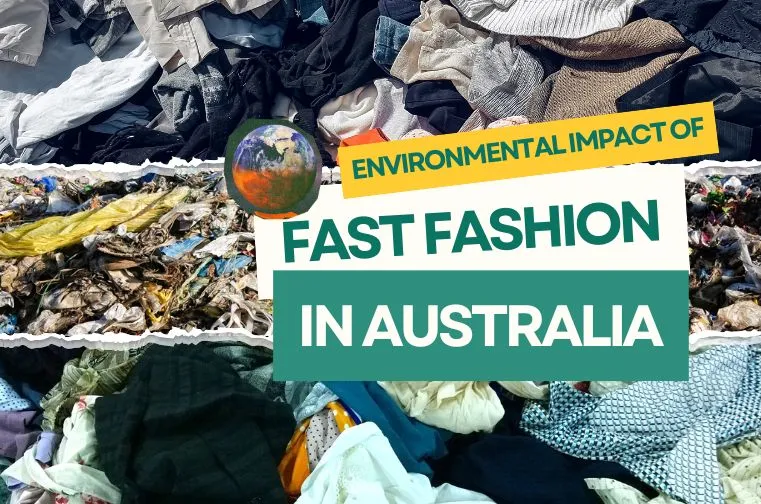
Each year, over 300,000 tons of textiles are thrown away in Australia, thereby placing the country among the largest per capita textile waste producers globally. Fast fashion in Australia is still a primary issue, where each Australian purchases on average 56 new clothing items each year, the majority of which are non-eco-friendly and low-quality. Fast fashion items are produced using energy and water in excessive amounts, and the overproduction has resulted in huge amounts of carbon emissions and pollutants.
Later, the over-manufactured items are either being sent to landfills or the ocean, affecting both the marine environment. There is an emergent need for the Australian government to apply measures to minimize the consumption of fast fashion to reduce problems for the environment. Furthermore, Australians can support ethical, local brands and choose sustainable items to develop a cleaner, fairer, and more sustainable future of fashion.
Fast Fashion is a trend or style in the clothing sector where brands and industries manufacture huge quantities of cheap, low-quality clothes, continuously to adapt to customers’ changing needs. Due to this increasingly cheap, stylish trend, fast fashion in Australia has a negative impact on the environment as well as society.
It encourages overconsumption and a disposable culture where clothes are thrown away after a few uses. Thus, the harmful impact on nature and waste production makes fast fashion very problematic for both the planet and the people.
Fast fashion brands introduce a lot of collections yearly, which continuously encourage shops and develop a consumer’s “disposable clothing” mindset. In order to keep up with quickly changing fashion trends, producers are making huge amounts of low-priced apparel which are built poorly and low in quality.
Overproduction and rapid trend turnover leads to waste, ecological damage, and an overconsumption culture in which clothes are regarded as short-term rather than sustainable items.
Fast fashion highly demands natural resources via its supply chain. Raw materials like cotton, synthetic fibres (polyester, nylon), have an excessive need for water, energy, and harmful chemicals during the production process. For example, for the production of conventional cotton or non-organic cotton, it needs large volumes of water, and the synthetic fibers from fossil fuels equally spread large amounts of carbon footprint to the environment.
The production chain, from farming, through shipping, and to retail, is highly dependent on natural energy and uses a lot of chemical inputs, such as dyes, bleaches, pesticides, and fabric finishes, which are all sources of air, water, and soil pollution.
The environmental effects of fast fashion can be clearly seen through a significant amount of waste, as most of the garments are either landfilled or exported as textile waste. It becomes a burden for the environment and society in developing countries. The rates at which textiles are recycled are very low and in reality, in numerous areas, less than 1% of used clothes are used to make new fabric.
Moreover, synthetic fibers like polyesters and nylon shed microplastics each time these fibers are washed. These toxic elements washed away into rivers and oceans, thus adding to the marine pollution. This whole production of fast fashion goods has an immeasurable effect on the environment.
Fast fashion is one of the main causes of environmental pollution and loss of ecosystems. Rivers and oceans are filled with toxic wastes from dyeing effluents and chemicals, which makes the water dirty and fatal for the living beings in it. Due to the nature of the plastic fiber, the plantation that is done utilizing large amounts of chemicals and pesticides can worsen the soil’s natural features.
This may change the whole ecosystem of the land due to the reduced soil fertility level. Additionally, the toxic pollutants are absorbed into foods, impacting wildlife, which is evident through large numbers of habitat loss and excessive chemical exposure.
Australia has become the world’s largest consumer of fast fashion and the effect on the environment is increasing day by day as per statistics below:
Some of the practical steps for Australians to avoid fast fashion is discussed below:
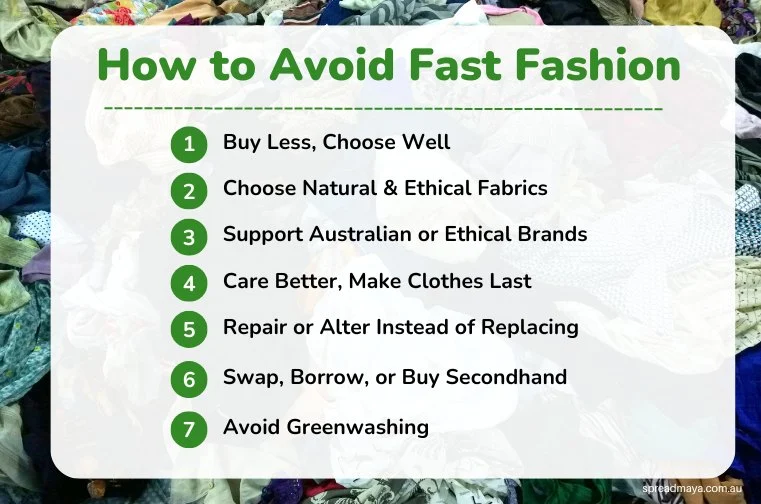
One way that people can easily combat fast fashion is by buying less and prioritising the quality of the items over their quantity. By choosing to invest in timeless and versatile apparel, you will not only prevent the environment from getting waste but also save yourself some money in the future.
Choose natural and ethical fabrics such as organic cotton, hemp, bamboo, or linen. These fibers are breathable, durable, and biodegradable and do not release any harmful elements into the environment. Check for fiber verified tags like GOTS (Global Organic Textile Standard) or OEKO-TEX certificates that confirm ethical production.
You can purchase clothing items from Australian ethical production brands like Kowtow, Afends, Outland Denim, Spread Maya, and KITX. These brands focus on authenticity, fair policy, and manufacturing from legally sourced sustainable materials.
The lifespan of your clothes also depends on how you take care of it. The proper care extends the lifespan of garments. Wash only if needed with mild detergents and cold water, and instead of machine washing, use hand washing. Fabric quality will be maintained over time if you store your items properly and follow the care instructions.
Repair small tears, replace buttons, or adjust the fit to give garments a new life, rather than wasting damaged clothes. Learning basic sewing skills or hiring local tailors can significantly reduce textile waste and extend the lifespan of clothing.
By clothing swaps, renting looks for some events, or choosing secondhand and vintage stores, you can easily stay away from fast fashion items. Besides, these practices not only reduce the demand for new production but also make use of the clothing that has already been produced.
Customers should be careful with those brands that call themselves “sustainable” and do not give any clear information. Try to find transparency in supply chains, ethical certifications, and brands sustainability goals. The authentic brands will always disclose their practices and impact.
The sustainable fashion industry is way ahead of fast fashion because of its reliance on green materials and eco-friendly practices throughout the production chain. It consumes less water than the conventional textile manufacturing process and the industry’s slower production cycles and local sourcing help to reduce the carbon footprint.
In addition, sustainable fashion avoids the use of toxic dyes and pesticides helping to lower the overall chemical pollution. The fabrics are strong, premium quality, and recyclable which diminishes the amount of textile waste that goes into the landfills. Moreover, the use of eco-fashion like hemp or organic cotton clothing helps in the reduction of synthetic fibers, which consequently lessensthe release of microplastics into the oceans.
Sustainable fashion is a fashion that supports Australian businesses and locals, it is an ethical brand that helps the economy to become stronger. It assures that the whole supply chain consists of fair wages, ethical labor practices, and safe working conditions, guaranteeing that the workers are treated and paid fairly.
High-quality items are long-term investments, as they lower the cost-per-wear in the long run and minimize the need for replacement. Above all, sustainable fashion encourages circular economy practices like clothing recycling, repair, and resale, which extend the life span of clothes and reduce waste.
Sustainable fashion not only brings but also adds great value to health and lifestyle benefits. Natural fabrics like hemp clothing, organic cotton, and linen are naturally breathable, hypoallergenic, and comfort-giving clothing, best for the hot Australian climate. These strongly made, durable garments minimize exposure to toxic synthetic chemicals, which are often found in mass-produced fabrics.
In addition to that, sustainable fashion brings a change in the mindset of consumers making them aware and responsible and promotes mindful consumption habits, less stress from overbuying, and clutter. By purchasing classic and quality clothing, the customers will not only enhance their personal style but also help in the formation of a good climate.
Eco-friendly customs raise awareness about sustainable living and convince people to switch to environmentally friendly habits. By buying the goods from the sustainable sector, customers can provide support to the local artisans, designers, and small-scale ethical businesses, which eventually help in the preservation of the skill and the prosperity of local economies.
This movement also inspires community-based initiatives like clothing swaps, repair cafes, and upcycling workshops that bring locals together to share skills and reduce waste. Overall, sustainable fashion is a powerful movement that leads to a larger cultural change towards consumerism, that is the communities that adhere to the idea of quality, durability, and responsibility.
The effects of fast fashion are huge and its impact can be clearly seen in the large amounts of textile waste in landfills, environmental pollution, and the depletion of natural resources. And, it’s high time to minimize these environmental problems by making a switch towards sustainability by choosing eco-friendly fashion over fast fashion. With these small initiatives and one step at a time, it leads you to a more ethical and eco-friendly future.
If you are in search of ethical clothing options in Australia, you can check out Spread Maya’s ethical and sustainable clothing collection and build a conscious wardrobe for eco-conscious lifestyle.
As per sources like Clean Up Australia, it disposes of an average of 23 kilograms of fast fashion clothing items to landfill, producing around 300,000 to 800,000 tonnes of textile waste each year.
Australia should reduce fast fashion consumption as fast as possible to prevent environmental degradation through large amounts of textile waste, high water and energy consumption, and chemical emissions.
Yes, purchasing secondhand clothing instead of spending money on new clothes helps to reduce new material consumption, lessen water and energy consumption, carbon emissions, and minimize landfills and textile waste, conserving natural resources.
Fast fashion is a business model that produces trendy clothes at a very low price and fast pace. Fast fashion has a negative impact on the environment caused by high consumption of natural resources, huge pollution, and landfill waste.
Some of the popular sustainable fashion brands in Australia are KITX, Vega Threads, Outland Denim, Spread Maya, and Citizen Wolf.
By the use of synthetic materials that release plastic microfibers throughout their lifecycle, fast fashion contributes to microplastic pollution. The low-quality fiber in these clothes results in frequent washing, releasing huge amounts of microfibers into the water.
The practical steps to avoid fast fashion in Australia are:
– Focus on Quality over Quantity
– Buy used item or second-hand clothes
– Choose Sustainable and Ethical producing brands
The fabrics that are considered sustainable alternatives to fast fashion are hemp, organic cotton, and linen materials that possess natural qualities like durability, breathability, and versatility.

10% OFF
YOUR FIRST ORDER
Join the SpreadMaya eco-conscious movement and enjoy 10% off your first order.